


This is so important for senior fitness. While old age can be a big hurdle, it is not very difficult to think up of ways to change the same into an advantage.
How to Overcome Roadblocks to Exercise and Improve Senior Fitness
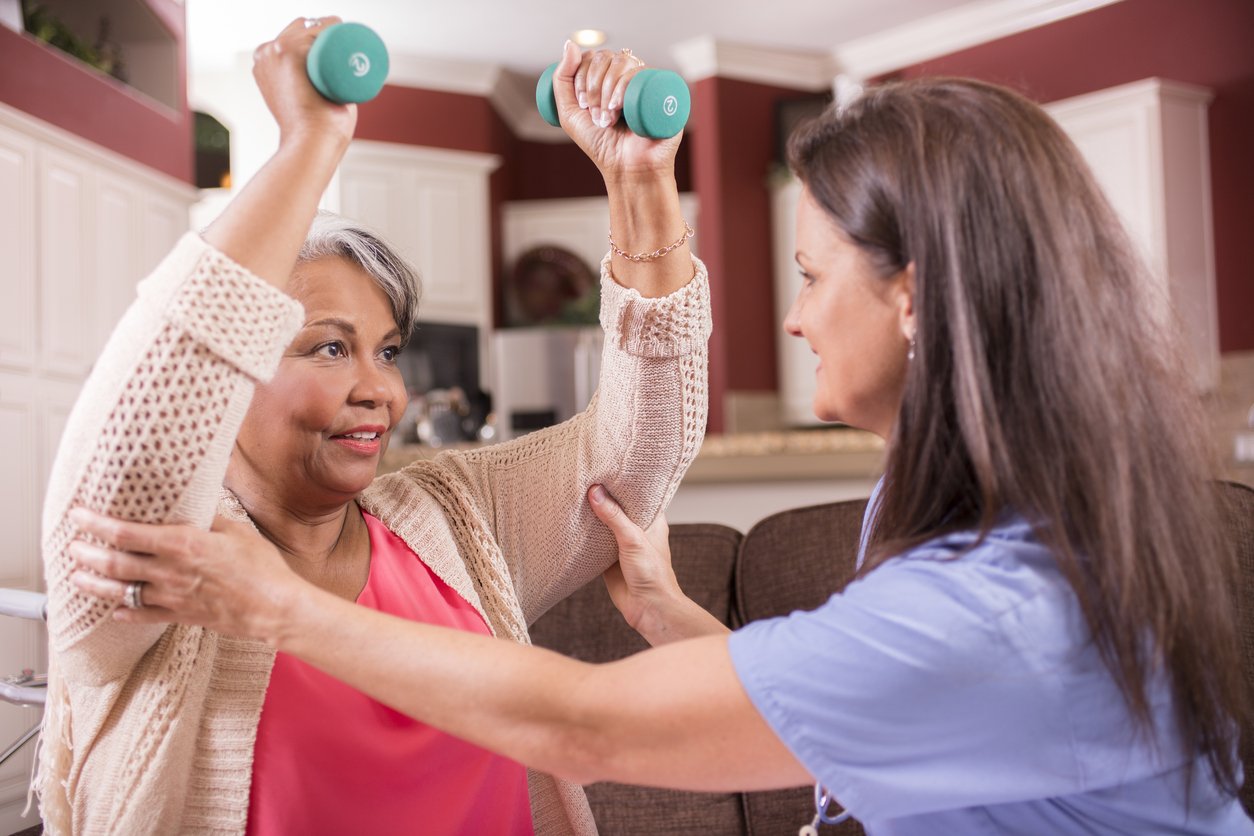
 Getting into a routine exercise regimen is challenging at any age. Working out is tiring. We don’t want to invest the time. We’re feeling sore from yesterday’s exercising. We’ve all made excuses like these for not exercising; but frailty and advanced age make it even more difficult to stick to an exercise plan and maintain senior fitness.
Hired Hands Homecare wants to help seniors remain active with tips to overcome the following common senior fitness roadblocks:
- Self-confidence: It’s normal for older adults to feel overwhelmed with the idea of meeting exercise goals. It can help to begin slowly with exercises that are easily accomplished and advance gradually; and, motivate the senior with frequent encouragement.
- Attitude: Attitude is everything when it comes to physical fitness. If approached negatively, it will be much harder to maintain an effective exercise regimen. Choose activities that will be enjoyable and that the senior will look forward to.
- Pain: The saying, “No pain, no gain” simply isn’t true. Older adults should avoid overdoing it, and cut back the level of intensity if experiencing pain or discomfort.
- Disabilities: Seniors with physical or cognitive limitations can and should remain active within their ability level. Check with the doctor for a referral to a personal trainer or physical therapist who can put together a program of specialized exercises.
- Fear of Injury/Balance Problems: There are a variety of assistive devices to allow for safe, effective exercising while still enhancing senior fitness.
- Financial Concerns: It doesn’t have to cost a fortune to stay fit! Walking and other simple exercises in and around the home, using common household items can be incorporated into an exercise program at little to no cost.
- Illness or fatigue: Exercises can be customized to match the senior’s energy level, and he or she may gradually increase endurance level over time.
Keep in mind that the key to ongoing success with an exercise program is to ensure the older adult feels comfortable and safe with the plan and the exercises. If soreness is noted in muscles or joints the next day after exercising, a lower intensity can be implemented; and check with the doctor if the pain or discomfort persists.
Hired Hands Homecare caregivers will work with your loved one’s physician to develop a safe exercise plan according to his or her abilities to increase strength, independence, and overall quality of life. Give us a call at 866-940-4343 to learn more about the benefits of daily exercise in improving senior fitness and to discover more about how our in-home care services in Marin, Sonoma, Napa counties and the Tri-Valley can help!
5 thoughts on “How to Overcome Roadblocks to Exercise and Improve Senior Fitness”
Leave a Reply
5 thoughts on “How to Overcome Roadblocks to Exercise and Improve Senior Fitness”
-
-
Great article! Couldn’t agree more with your points! Look forward to the upcoming posts 🙂
-
Love this post! Thanks so much for sharing it 🙂
-
Great post! So happy I found this, thank you.
-
Nice Article!! I read your blog its helpful for us
Leave a Reply







This is so important for senior fitness. While old age can be a big hurdle, it is not very difficult to think up of ways to change the same into an advantage.
Great article! Couldn’t agree more with your points! Look forward to the upcoming posts 🙂
Love this post! Thanks so much for sharing it 🙂
Great post! So happy I found this, thank you.
Nice Article!! I read your blog its helpful for us