

Homecare

The Hidden Signs of Pain You May Be Overlooking
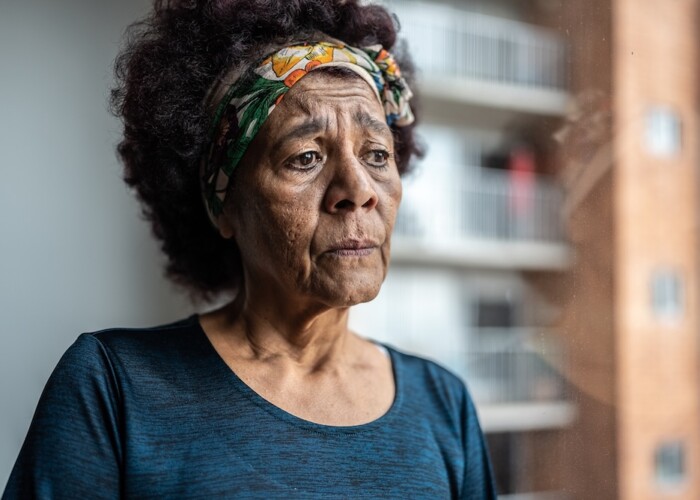
Recognizing pain isn’t always as simple as asking, “Where does it hurt?” Some older adults have difficulty describing what they’re feeling because of dementia or another cognitive condition. Others have spent years minimizing aches and pains because they don’t want to worry anyone or be seen as complaining. As a result, physical discomfort often goes unnoticed unless you know how to detect the hidden signs of pain.
Instead of talking about pain, an older loved one may begin acting differently. They may seem less interested in favorite activities, become more withdrawn, grow impatient over small frustrations, or experience changes in appetite or sleep. Although these behaviors are often blamed on aging, they may actually be clues that something is physically wrong.
Knowing how to recognize those clues can help your loved one get the attention they need sooner.
Notice … Read More »

The Unexpected Sense of Loneliness While Battling Cancer

Your parent may be surrounded by caring people after a cancer diagnosis. Friends stop by to visit. The phone rings more often. Cards arrive in the mail. Even with all of that support, they may still feel a profound sense of loneliness while battling cancer.
As an adult child, it’s easy to wonder why. You’re making time to be there, other people are reaching out, and the medical team is providing excellent care. How can someone who is so loved still feel alone?
The answer isn’t found in the amount of support your parent receives. It’s found in the reality that cancer changes life in ways no one else can completely experience. Once you recognize that, you’ll better understand how to offer the comfort your parent truly needs.
No One Can Carry This for Them
One of the most … Read More »
Don’t Let a Diagnosis of Cancer Overtake Your Parent’s Life

After a cancer diagnosis, it can seem as though one word suddenly takes over every corner of life. It becomes the focus of conversations, fills the calendar with appointments, and influences decisions that never used to require much thought. Before long, you and your parent may find yourselves measuring life by what happened before the diagnosis of cancer and everything that has happened since.
As you settle into this new normal, you’ll likely discover that many of the biggest changes take place at home. Treatment understandably becomes a priority, but everyday life keeps moving forward. The garden still needs watering. The morning coffee still tastes best on the back patio. Your parent still wants to hear how the grandchildren are doing, ask about your week, or tell the same favorite family story that somehow never gets old.
Those moments … Read More »
How to Make Life Better for Someone With Alzheimer’s Using Routines and Reminders

When it comes to Alzheimer’s, it’s the little things that can make a big difference. Simple, thoughtful routines and reminders can transform life for the individual, bringing moments of calm and clarity. They help the person maintain their independence while creating a comforting rhythm that both of you can rely on. Here are some innovative strategies to make life better for someone with Alzheimer’s.
Consistent Daily Routines: A consistent daily routine provides a sense of stability and predictability, which is extremely comforting for someone with Alzheimer’s. Try to schedule activities like meals, bathing, and bedtime at the same times each day. This regularity helps to reinforce memory and create a calming environment. Keep the routine simple and avoid making too many changes, as this can be confusing and unsettling.
Visual Reminders: Visual reminders are effective tools for helping someone with Alzheimer’s … Read More »
Why So Many Rehospitalizations Happen During the First Week Home

The hospital stay is over. Discharge instructions have been reviewed. Everyone is eager to get back to familiar surroundings and begin the recovery process at home. It feels like an important step forward.
However, the days immediately following a hospital discharge are often more fragile than many people realize. A large percentage of rehospitalizations happen during the first week home, not because of a major medical crisis, but because recovery can be more complicated than expected.
In many cases, it isn’t one significant problem that leads to a return trip to the hospital. Instead, it’s a collection of smaller issues that gradually create larger challenges. A medication gets missed. A follow-up appointment gets postponed. A symptom is brushed off as part of the healing process. Everyday activities become more difficult than anticipated.
Understanding where recovery commonly goes off course … Read More »
What Is Caregiver Burden, and Is It Impacting You?

Caring for an older loved one is an act of love and devotion, but it can also feel like a never-ending marathon. The emotional highs of shared smiles and laughter can quickly be overshadowed by the physical and mental exhaustion that comes with constant caregiving. This challenging journey can leave you feeling overwhelmed, stressed, and isolated, a state known as caregiver burden.
What Is Caregiver Burden?
Caregiver burden encompasses the emotional, physical, and financial toll that caregiving can take. Emotionally, the constant worry and stress about your family member’s well-being can lead to anxiety and depression. Physically, caregiving tasks such as lifting, bathing, and moving the person can cause significant strain and fatigue. Financially, the costs of medical supplies, home modifications, and potentially reduced work hours can lead to financial stress and uncertainty.
Social isolation is another key aspect … Read More »
How to Talk About Home Care Without Creating Resistance

Did you ever notice how some phrases instantly make people defensive, even when the intention behind them is completely harmless? Telling someone they’re being “careful” sounds very different from calling them “paranoid.” Describing a person as “independent” creates a much warmer reaction than saying they “can’t handle things anymore.” The emotional meaning behind words matters, especially when figuring out how to talk about home care with your parent.
Conversations about home care are rarely just about errands, meals, or household tasks. For an older adult, certain words can stir up fears about aging, losing independence, or no longer being capable. And once those emotions surface, the conversation can quickly become tense. That’s why the language you choose can shape the entire discussion.
Words Like “Care” and “Caregiver” Can Feel Overwhelming
To you, the word “caregiver” may simply describe someone helpful … Read More »
Help at Home for Seniors Shouldn’t Wait for a Breaking Point

Decisions about home care are rarely straightforward. When your parent is still living independently and managing most daily routines, it can be difficult to know whether bringing in help at home for seniors is truly necessary or whether it somehow means “things are getting worse.”
That uncertainty causes a lot of people to wait longer than they probably need to. But home care is often most beneficial before daily challenges become overwhelming. Starting support earlier can help your parent remain safe, comfortable, and independent at home while also reducing the growing pressure you may be carrying yourself.
Part of the hesitation usually comes from misunderstandings about what home care actually looks like. If you’ve been unsure whether now is the right time, you may recognize some of these common concerns.
You May Assume Home Care Is Only for Serious … Read More »
How to Help Create a Positive Outlook for Aging Parents

Caring for an aging parent often means becoming their cheerleader and confidant. It should never be just about managing medications or medical appointments; you’re enriching their life, making each day more meaningful. It’s amazing what a difference it can make to foster a positive outlook for aging parents, and in your role as family caregiver, you can make a profound impact on the quality of their lives.
Even small, everyday moments can shape how the day feels. A shared laugh, a familiar routine, or simply spending time together without distractions can help create a sense of comfort and connection. When care is approached with intention and compassion, it naturally supports emotional well-being in ways that go far beyond a checklist of tasks.
Here are some ways you can promote a positive outlook and an environment focused on mental and … Read More »
Subtle Signs That Tell You It’s Time for Extra Support in Assisted Living

You took the time to do this carefully.
You researched your options. You visited communities. You asked the right questions and weighed what felt best. In the end, you chose a care setting that seemed safe, supportive, and like the right fit.
And still, something doesn’t sit quite right.
That feeling can be difficult to explain. Everything may look fine on the surface. The environment is good, the staff is attentive, and care is being provided. But there can still be moments where it feels like something is missing.
That’s where adding extra support in assisted living can make a real difference.
In this first part of a two-part series, we’re taking a closer look at how home care can work alongside assisted living or skilled nursing to help fill in those gaps.
Is It Possible to Add Home … Read More »