
Caregivers

How to Make Staying Connected With Aging Parents Easier

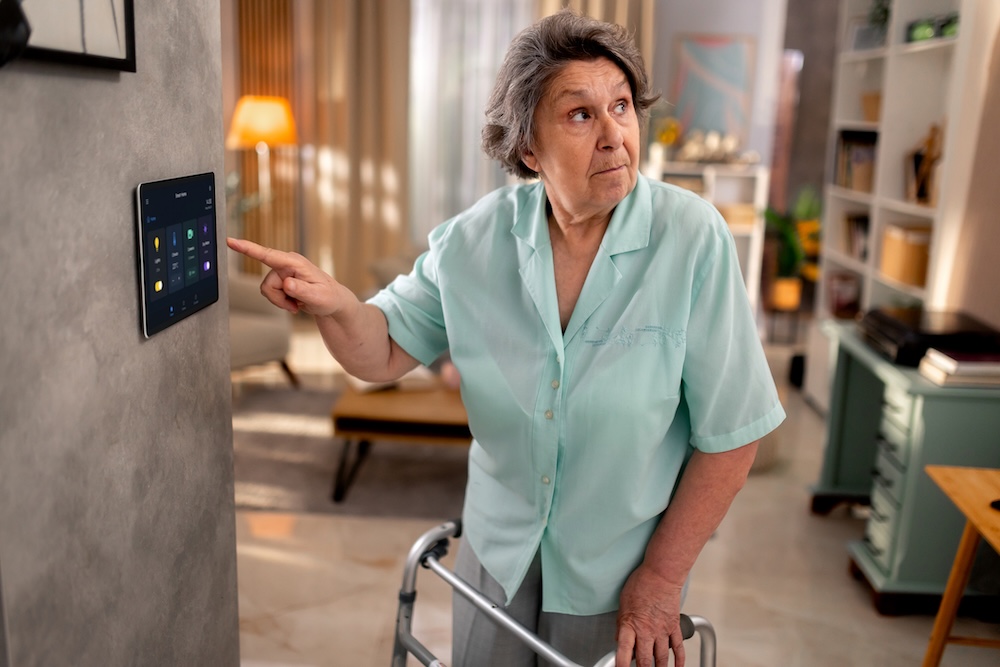
Perhaps you’ve watched someone struggle with a phone and said something like, “Just tap the little icon at the top.” Which little icon? The square one? The camera? The arrow? The three dots whose purpose changes depending on which screen you’re looking at? Instructions that seem obvious when you use technology every day can sound like directions to a hidden treasure when you don’t, which can have a profound effect on staying connected to aging parents digitally.
If an older loved one has trouble texting or video calling, more detailed explanations aren’t always the solution. Often, the best thing you can do is make the entire process require less remembering, searching, and troubleshooting.
A few simple changes, like these recommendations from our home care team, can make staying connected much easier.
Instead of explaining where to find people, put people … Read More »
Are You Monitoring Elderly Parents More Than You Need To?
Privacy is easy to take for granted because so much of it consists of completely ordinary choices. You sleep later than usual, leave the house without announcing where you’re going, ignore your phone for an hour, eat lunch at 2:00, or spend the afternoon doing something nobody else knows about.
Most of us would hardly describe those things as acts of independence. Yet when someone else suddenly has access to a record of them, they can take on a different significance. That’s one of the complications of monitoring elderly parents with tech tools. Cameras, motion sensors, GPS trackers, medication devices, and door alerts can provide valuable reassurance, but they can also reveal details that once belonged only to the person living them.
The challenge isn’t choosing between safety and privacy. It’s deciding how much information you truly need to … Read More »

Could You Be Missing These Lesser-Known Symptoms of Parkinson’s?
When most people think of Parkinson’s disease, tremors or difficulty moving likely come to mind first. But if you’re caring for a loved one with Parkinson’s, you may have noticed they’re dealing with so much more than just movement issues. Lesser-known symptoms of Parkinson’s, such as depression, sleep problems, and cognitive changes, can have just as much of an impact on daily life, but often go unnoticed or untreated. Understanding these symptoms is crucial to providing the best possible care for someone you love with Parkinson’s disease.
Mental Health and Cognitive Changes: Parkinson’s disease can affect the brain in ways that go far beyond movement, often causing mental health and cognitive issues. The person diagnosed may experience depression, anxiety, or apathy, which can make it hard for them to find joy in daily activities or even get motivated to move … Read More »
Steps You Can Take Today to Overcome Senior Nutrition Barriers

With the holidays approaching, you might be thinking about festive meals and family gatherings centered around favorite foods and traditions. But what about the rest of the year? Is everyone in your family—particularly older loved ones—getting proper nutrition on a regular basis? While holiday feasts might be an exception, many older adults quietly struggle with senior nutrition problems for a variety of reasons. The first step to helping older loved ones stay nourished and healthy year-round is learning about the challenges they may be facing.
Health Conditions and Medications
For many older adults, chronic health conditions and the medications used to treat them play a significant role in their struggle with malnutrition. Conditions such as heart disease, cancer, or digestive disorders can limit food intake or reduce the body’s ability to absorb essential nutrients. Additionally, medications commonly prescribed for … Read More »
What Is Word Salad in Seniors, and Why Does It Happen?

Have you ever eaten a bowl of alphabet soup? As you’d expect, the letters float around in a chaotic mix. What’s not expected, and can be quite alarming, is when someone you love speaks in a similarly chaotic manner, using a jumble of random words and phrases. This disorganized speech, known as word salad in seniors, can arise from a variety of causes. Understanding this condition is the first step toward helping the person you love and bringing yourself peace of mind.
What Is Word Salad?
Word salad refers to a pattern of speech where words are mixed together in a way that is incoherent and nonsensical. This disorganized speech often lacks clear connections between ideas, making it difficult for listeners to understand the speaker’s intended message. People experiencing word salad might string together unrelated words or phrases, use … Read More »
Grace Puts a Smile on our Face!

Please join us in celebrating Grace as our most recent Caregiver of the Month!
We have had the honor of working with Grace since September of 2024, and this is actually her second time receiving this award! We recently had the pleasure of visiting Grace on shift with our client, Darlene, and both were very pleasantly surprised. Our client Darlene, who is a retired school teacher, gives Grace an A+ and we couldn’t agree more!
Grace consistently goes above and beyond to provide exceptional care. She is highly skilled, observant, and attentive to the little details that make such a big difference in our clients’ lives. Grace takes the time to get to know our clients, their needs, and always communicates important changes or concerns to our team to advocate for those she provides care for. What makes Grace especially wonderful is her gentle approach … Read More »
The Hidden Signs of Pain You May Be Overlooking
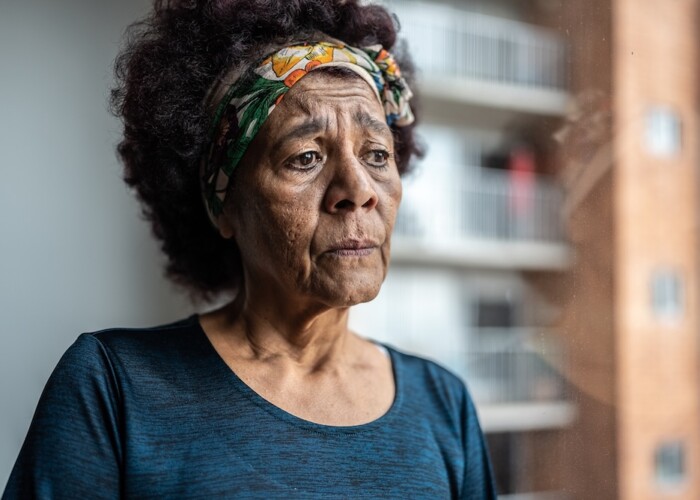
Recognizing pain isn’t always as simple as asking, “Where does it hurt?” Some older adults have difficulty describing what they’re feeling because of dementia or another cognitive condition. Others have spent years minimizing aches and pains because they don’t want to worry anyone or be seen as complaining. As a result, physical discomfort often goes unnoticed unless you know how to detect the hidden signs of pain.
Instead of talking about pain, an older loved one may begin acting differently. They may seem less interested in favorite activities, become more withdrawn, grow impatient over small frustrations, or experience changes in appetite or sleep. Although these behaviors are often blamed on aging, they may actually be clues that something is physically wrong.
Knowing how to recognize those clues can help your loved one get the attention they need sooner.
Notice … Read More »
Happy Labor Day!

On this important day, we tip our hat and raise our glass to our amazing team of dedicated professionals. Every day, you go out of your way to make a difference, and put a smile on someone’s face. Your compassion and dedication have such a positive influence on the lives of seniors and the disabled in our community. You are important, your are special, and you are appreciated!
Exceptional People. Extraordinary Care. The Hired Hands way.
Happy Labor Day!
Want to Reduce Chronic Pain? It Begins at Home.

Living with pain means accepting that some days will be better than others…and that finding ways to reduce chronic pain becomes paramount. While arthritis and other chronic conditions naturally have their ups and downs, everyday routines may also influence how much discomfort an older adult experiences.
The surprising part is that these pain triggers often have nothing to do with medication or medical treatment. Instead, they come from ordinary parts of daily life, including the furniture someone uses, the temperature inside the home, how well they sleep, and the way they move throughout the day.
Taking a closer look at these often-overlooked factors may help make each day a little more comfortable.
1. The chair you always choose.
It’s easy to understand why someone returns to the same favorite chair every day. It’s familiar, comfortable, and part of the … Read More »
Watch for These Common Comorbidities of COPD

Watching a loved one manage the daily challenges of COPD isn’t easy. You see them struggle with breathlessness and fatigue, and you want to do everything you can to help. What you might not realize is that COPD often brings along other health issues, known as comorbidities, which need to be addressed and managed in tandem with COPD. The best way to help someone with COPD is by learning about these potential comorbidities, and then supporting and advocating for the person to receive screenings and treatment as needed.
Here are some of the most common COPD comorbidities:
Cardiovascular Diseases. One of the most common comorbidities your family member might face is cardiovascular disease. People with COPD are at a higher risk of developing conditions such as heart failure, ischemic heart disease, and hypertension. The reasons for this increased risk include … Read More »