
Caregivers

Power Outages for Seniors: Are You Prepared?

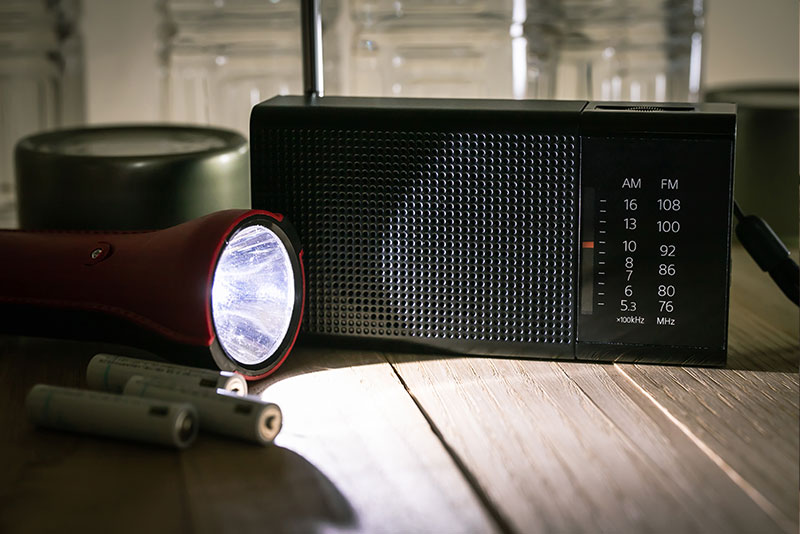
Power outages for seniors can be especially troubling.
For many of us, power failures are nothing more than a minor inconvenience, but power outages for seniors can cause a genuine safety concern. The best way to handle unexpected power outages is through advance planning to ensure older loved ones are prepared and equipped to ride out the storm, giving you the peace of mind you need.
Help older family members stay prepared and protected during unexpected electricity emergencies by first assessing their specific circumstances. Consider mobility limitations, medical needs, and daily routines. Develop an emergency plan that addresses these factors, ensuring it’s straightforward and easy to follow. Include clear instructions on what to do and where to go if there’s a need to evacuate quickly.
Maintain a Well-Stocked Emergency Kit: Prepare an emergency kit that includes essentials such as … Read More »

What Is a Care Plan and Why Is It So Important?

Learn more about what a care plan is and why you need one.
You’ve just started exploring home care options for your parents, and you’re feeling a bit overwhelmed. There are so many options to consider, and so many new and unfamiliar terms to understand. Take, for instance, the care plan. It may seem like just another piece of jargon in a sea of confusing terms, but it’s actually one of the most important aspects of home care services. Here’s why:
5 Aging in Place Errors and How to Avoid Them (Part 2)

Learn how to overcome five aging in place challenges that often occur as care needs progress.
In the first part of this series, we looked at five aging in place missteps that often show up early, when life at home still feels relatively simple. This next set tends to surface later, once routines are heavier and care has grown more layered. That’s often when gaps in the plan become more noticeable, and when small oversights start to carry more weight.
Aging in place usually begins with a clear goal: keep the person you love comfortable and familiar with home for as long as possible. But good intentions alone don’t cover every detail. As needs change, new challenges appear, and these next five common mistakes tend to creep in when the situation becomes more complex.
6. Skipping Regular Check-Ins … Read More »
Let’s Celebrate Ha!
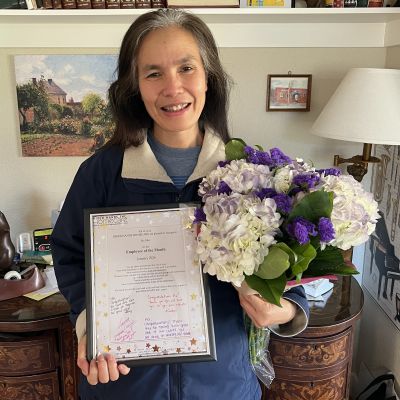
Please join us in congratulating Ha as our most recent Caregiver of the Month!
Hired Hands has had the distinct pleasure of working with Ha May of 2022. She actually began working on companion care cases, but has since expanded her experience to support our dementia clients and provide more hands-on care. It has been a pleasure watching her grow and develop her skills as a Caregiver over the years with us. Ha is such a delight, and approaches everything she does with a big smile. She is always eager to help wherever she’s needed and her positive attitude makes a meaningful impact on both our Clients and team. Our clients and their families love everything that Ha brings to the table, and very much appreciate the compassionate care she provides.
Congratulations, Ha! We are so grateful to have Ha as an … Read More »
5 Aging in Place Errors and How to Avoid Them (Part 1)

Learn about the most common (and preventable) aging in place errors you may be at risk of making.
You don’t usually decide to become the family expert on home safety, changing mobility, or long-term care planning. It happens gradually, one small moment at a time. You notice someone hesitating on the stairs. A light left on because the room suddenly feels darker than it used to. Reminder texts about medication th
at are needed more often than before. Over time, it starts to click that the home may need to change along with the person living in it.
Aging in place can be a meaningful way to preserve comfort and familiarity, but it works best when it’s approached with intention. In the first part of this two-part series, our home care team is sharing five common aging in … Read More »
Happy National Caregivers Day!

Today, February 20, we celebrate a most amazing group of people. Happy National Caregivers Day!
For over 32 years, Hired Hands Homecare has had the privilege to work alongside the most compassionate and dedicated team of care professionals. Thank you so much for making such a positive impact on the lives of so many people and families in our community. It is truly an honor to work alongside such a diverse group of committed professionals!
Many Thanks for all you do – Happy National Caregivers Day!
How Physical Activity in Dementia and Heart Disease Looks Different

Learn what physical activity in dementia and heart disease should look like.
You may notice that movement doesn’t come as naturally as it once did. Exercises that used to feel routine now take encouragement, patience, and hands-on support. A short walk feels longer. Simple stretches require reassurance. When physical activity in dementia and heart disease becomes part of daily care, the focus shifts from performance to preserving strength, circulation, and confidence in a body that’s working harder than it used to.
Why Movement Still Matters When Both Conditions Are Present
Heart disease affects how efficiently oxygen-rich blood moves through the body, including to the brain. Dementia affects balance, coordination, awareness, and motivation. Together, these conditions can make inactivity tempting, but avoiding movement often worsens both physical and cognitive symptoms.
Even gentle, supported activity can help:
Improve circulation and oxygen … Read More »
What It’s Really Like Living With Both a Heart Condition and Dementia

When someone you love is living with both a heart condition and dementia, some of the symptoms can overlap.
Some changes don’t arrive with a clear explanation. An older loved one who usually does well in the mornings suddenly seems foggy by mid-afternoon. Walking from the bedroom to the kitchen feels more taxing than it used to. You notice more hesitation, more pauses, more moments that make you stop and think, something’s different.
When a loved one is living with both a heart condition and dementia, those subtle changes often have more than one cause. Dementia affects how the brain processes information, but heart health affects whether the brain has the oxygen and blood flow it needs to function at all.
Why the Brain Feels the Effects of Heart Disease So Quickly
The brain is incredibly sensitive to … Read More »
We “Aughta” Celebrate Loata!
Greetings!
The Holidays are over, and we need to catch up on celebrating some outstanding Caregivers! Let’s roll!
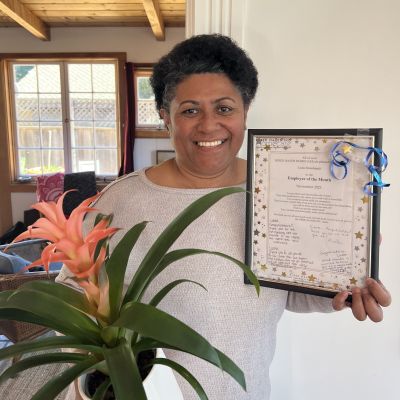
First, please join us in raising our glasses high to Loata! Hired Hands has had the distinct honor of working alongside Loata for over SIX years now, and she such an important member of our both our Dementia and Hospice teams. This is actually her second time being recognized as Caregiver of the Month and it is truly well deserved! Loata is full of personality, attentive, and always willing to help whenever she can. She brings a warm heart and joyful smile that can brighten every room and anyone’s day. Her commitment and dedication have a positive impact on our clients and their families who rely on her. On top of all of that… Loata is an absolute pleasure to work with! Loata, we … Read More »
Talking to a Loved One With Cancer Without Saying the Wrong Thing
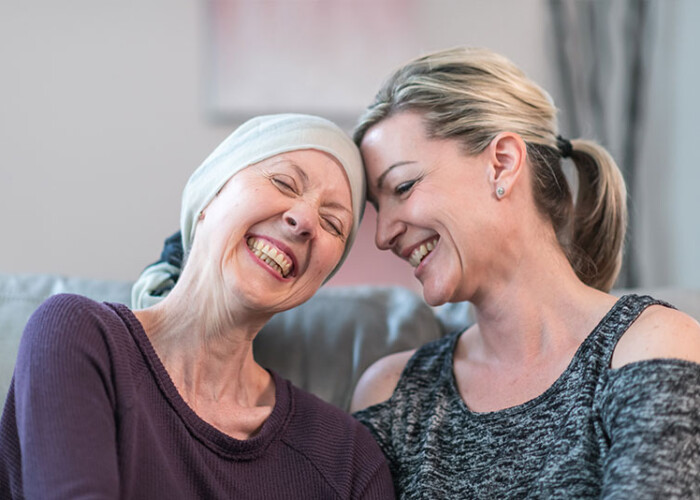
Talking to a loved one with cancer often means learning how to listen, pause, and simply show up.
Talking to a loved one with cancer can stop you in your tracks. You may rehearse conversations in your head before a visit or hesitate before picking up the phone, unsure how to begin. Do you name what’s happening right away, or steer around it? Is humor helpful or inappropriate? What if they cry, or you do?