
Benefits of Home Care

How to Talk About Home Care Without Creating Resistance

Did you ever notice how some phrases instantly make people defensive, even when the intention behind them is completely harmless? Telling someone they’re being “careful” sounds very different from calling them “paranoid.” Describing a person as “independent” creates a much warmer reaction than saying they “can’t handle things anymore.” The emotional meaning behind words matters, especially when figuring out how to talk about home care with your parent.
Conversations about home care are rarely just about errands, meals, or household tasks. For an older adult, certain words can stir up fears about aging, losing independence, or no longer being capable. And once those emotions surface, the conversation can quickly become tense. That’s why the language you choose can shape the entire discussion.
Words Like “Care” and “Caregiver” Can Feel Overwhelming
To you, the word “caregiver” may simply describe someone helpful … Read More »

Help at Home for Seniors Shouldn’t Wait for a Breaking Point

Decisions about home care are rarely straightforward. When your parent is still living independently and managing most daily routines, it can be difficult to know whether bringing in help at home for seniors is truly necessary or whether it somehow means “things are getting worse.”
That uncertainty causes a lot of people to wait longer than they probably need to. But home care is often most beneficial before daily challenges become overwhelming. Starting support earlier can help your parent remain safe, comfortable, and independent at home while also reducing the growing pressure you may be carrying yourself.
Part of the hesitation usually comes from misunderstandings about what home care actually looks like. If you’ve been unsure whether now is the right time, you may recognize some of these common concerns.
You May Assume Home Care Is Only for Serious … Read More »
How to Help Create a Positive Outlook for Aging Parents

Caring for an aging parent often means becoming their cheerleader and confidant. It should never be just about managing medications or medical appointments; you’re enriching their life, making each day more meaningful. It’s amazing what a difference it can make to foster a positive outlook for aging parents, and in your role as family caregiver, you can make a profound impact on the quality of their lives.
Even small, everyday moments can shape how the day feels. A shared laugh, a familiar routine, or simply spending time together without distractions can help create a sense of comfort and connection. When care is approached with intention and compassion, it naturally supports emotional well-being in ways that go far beyond a checklist of tasks.
Here are some ways you can promote a positive outlook and an environment focused on mental and … Read More »
The Lasting Impact of Senior Home Care Assistance in Assisted Living – Part 2
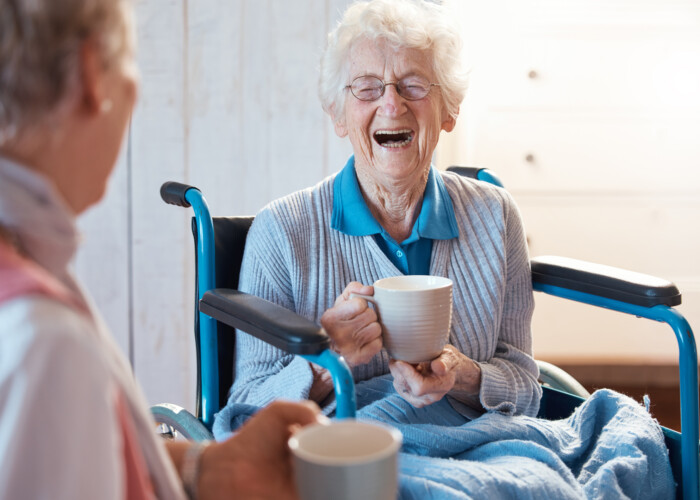
A move into a care community often brings a sense of reassurance.
There’s a plan in place. Support is available. And there’s comfort in knowing that help is always nearby when it’s needed.
But even with that foundation, you may begin to notice moments that feel less supported than others. Not because care is lacking, but because shared environments are designed to meet many needs at once.
In the first part of this series, we explored how to recognize when senior home care assistance in assisted living might be helpful. Now, let’s look at what happens next and how bringing in a home caregiver can enhance what’s already in place.
How Does a Home Caregiver Support Someone in a Facility?
A home caregiver works alongside the facility team, not in place of it.
The facility continues to provide its … Read More »
Join Us at the Expo!

Join us TODAY, Friday May 8th, from 11-3
at the 18th Annual Aging & Disability Expo!
This great event highlights local resources, services & products for seniors, veterans, and individuals with disabilities.
FREE Admission & GREAT Raffle Prizes!
Located at:
The Backdrop
1455 Corporate Center PKWY
Santa Rosa, CA
Free Parking!
For more information, please call 707-528-2745.
See you at the Expo!
Subtle Signs That Tell You It’s Time for Extra Support in Assisted Living

You took the time to do this carefully.
You researched your options. You visited communities. You asked the right questions and weighed what felt best. In the end, you chose a care setting that seemed safe, supportive, and like the right fit.
And still, something doesn’t sit quite right.
That feeling can be difficult to explain. Everything may look fine on the surface. The environment is good, the staff is attentive, and care is being provided. But there can still be moments where it feels like something is missing.
That’s where adding extra support in assisted living can make a real difference.
In this first part of a two-part series, we’re taking a closer look at how home care can work alongside assisted living or skilled nursing to help fill in those gaps.
Is It Possible to Add Home … Read More »
When Should Parkinson’s Care Planning for an Aging Parent Begin?

See why Parkinson’s care planning for an aging parent should begin before the condition progresses.
Learning that your parent has Parkinson’s can lead to a plethora of questions about the future. How will symptoms change over time? What challenges might appear later on? What type of support will help maintain independence and quality of life?
5 Aging in Place Errors and How to Avoid Them (Part 2)

Learn how to overcome five aging in place challenges that often occur as care needs progress.
In the first part of this series, we looked at five aging in place missteps that often show up early, when life at home still feels relatively simple. This next set tends to surface later, once routines are heavier and care has grown more layered. That’s often when gaps in the plan become more noticeable, and when small oversights start to carry more weight.
Aging in place usually begins with a clear goal: keep the person you love comfortable and familiar with home for as long as possible. But good intentions alone don’t cover every detail. As needs change, new challenges appear, and these next five common mistakes tend to creep in when the situation becomes more complex.
6. Skipping Regular Check-Ins … Read More »
5 Aging in Place Errors and How to Avoid Them (Part 1)

Learn about the most common (and preventable) aging in place errors you may be at risk of making.
You don’t usually decide to become the family expert on home safety, changing mobility, or long-term care planning. It happens gradually, one small moment at a time. You notice someone hesitating on the stairs. A light left on because the room suddenly feels darker than it used to. Reminder texts about medication th
at are needed more often than before. Over time, it starts to click that the home may need to change along with the person living in it.
Aging in place can be a meaningful way to preserve comfort and familiarity, but it works best when it’s approached with intention. In the first part of this two-part series, our home care team is sharing five common aging in … Read More »
How Physical Activity in Dementia and Heart Disease Looks Different

Learn what physical activity in dementia and heart disease should look like.
You may notice that movement doesn’t come as naturally as it once did. Exercises that used to feel routine now take encouragement, patience, and hands-on support. A short walk feels longer. Simple stretches require reassurance. When physical activity in dementia and heart disease becomes part of daily care, the focus shifts from performance to preserving strength, circulation, and confidence in a body that’s working harder than it used to.
Why Movement Still Matters When Both Conditions Are Present
Heart disease affects how efficiently oxygen-rich blood moves through the body, including to the brain. Dementia affects balance, coordination, awareness, and motivation. Together, these conditions can make inactivity tempting, but avoiding movement often worsens both physical and cognitive symptoms.
Even gentle, supported activity can help:
Improve circulation and oxygen … Read More »