
Search Results for "respite"

Family Caregivers, You’re Not Alone! Find Relief with Respite Care Services

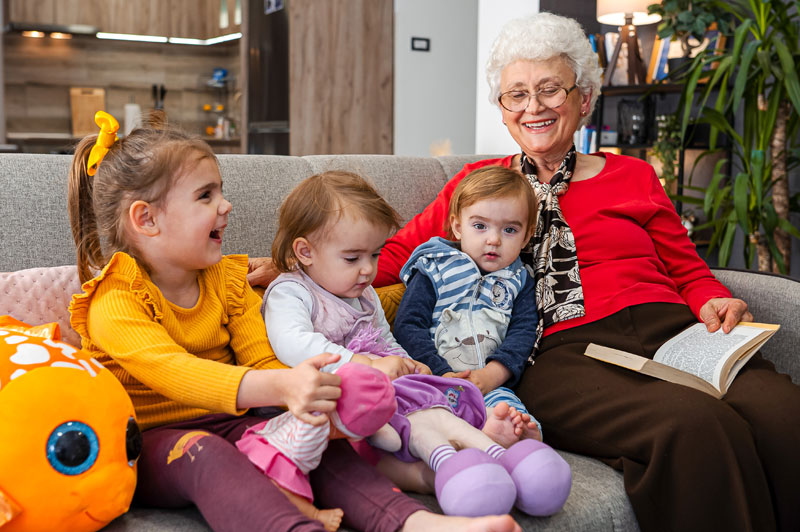
Family caregivers can find the support they need with respite care services.
In spite of spending plenty of time with a senior loved one, family caregivers can often feel very isolated and alone. These feelings, although normal, can result in depression and other health problems if not kept in check. When family and friends are not available to help provide respite care services, there are several community service options that can help family caregivers care for their loved ones.
Senior Centers and Other Senior Organizations: Local senior centers often have programs or can offer other resources to family caregivers in need of respite.
Veterans’ Programs: Family caregivers who are caring for a veteran can explore whether the person is qualified to receive financial coverage for home care or adult day care.
Adult Day Care: For seniors who are well enough, … Read More »

Discover the Benefits of Respite Care – A Win/Win for Seniors and Their Loved Ones

Respite care helps both seniors and their family members enjoy a better quality of life.
Meeting the ongoing care needs of an elderly or disabled loved one is a physically, mentally, and emotionally demanding job, requiring time for the family caregiver to rest and relax on occasion. Respite care allows for the relief needed from the daily tasks of caregiving, allowing the family caregiver to also care for himself or herself.
Here are the basic principles of respite care:
Relief from ongoing care responsibilities allows seniors to still receive the attention they deserve.
Respite care provides family caregivers with care that is planned, temporary, intermittent and substitute.
Time required for respite can vary, from just a few hours one day to ongoing, scheduled, routine relief.
How to help a family caregiver:
Offer to take turns in providing care. Even if you can … Read More »
The Importance of a Daily Routine for Someone With Dementia

Have you ever woken up from a dream feeling completely disoriented? The dream seemed so real, and it takes a moment to regain your bearings. For someone with dementia, this disorientation is a part of everyday life. One highly effective way to help is to provide as much stability as possible, and one of the best ways to accomplish this is by sticking to a daily routine for someone with dementia.
How Can a Routine Help Someone With Dementia?
Short-term memory loss makes it challenging for someone with Alzheimer’s to learn and remember new things. A familiar routine helps build self-confidence, reinforce a sense of independence, and reduce anxiety.
To establish the most comfortable routine for a loved one with Alzheimer’s disease, try the following:
Follow their lead. Retain any routines the person already has built: a morning shower before … Read More »
We Can Help You Avoid Caregiver Isolation

Caregiver isolation doesn’t have to be a part of your caregiver experience.
It may seem counterintuitive, but spending all your time taking care of someone else can make you feel extremely alone. The hard truth is that caregiver isolation is very common for a number of reasons:
• Feeling guilty about any time you don’t spend with the person you care for
• Being mentally or physically exhausted: you are simply too drained to want to socialize
• Resentment toward those whose lives seem so much simpler
• And much more
While experiencing the loneliness of caregiving can feel overwhelming, it’s important to take the proper steps to fight back. Social isolation can lead to serious health concerns, such as heart problems, depression, stroke, high blood pressure, and difficulties with attention and memory, just to name a few.
Read More »
Why Alzheimer’s Caregivers Say They Need to Go It Alone – And Why It’s a Bad Idea
“You can make it, but it’s easier if you don’t have to do it alone.” – Betty Ford
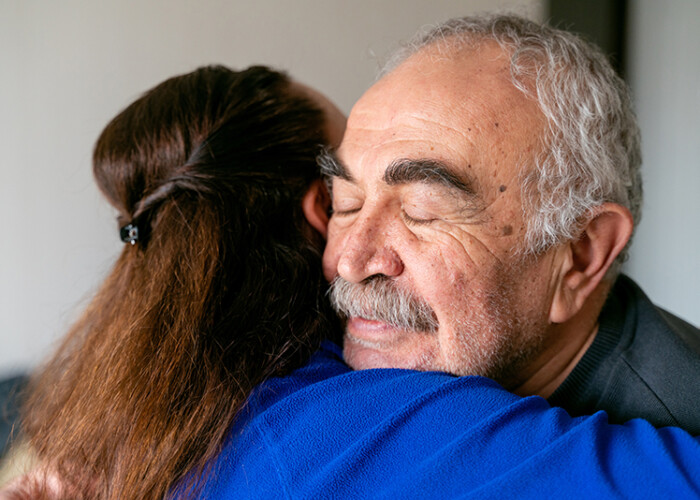
Alzheimer’s caregivers may feel as though they are the only ones who can provide the best care for an older loved one, but finding a care partner is vitally important.
As a family member caring for a loved one with dementia, you know firsthand how challenging it can be. It’s definitely never a role that Alzheimer’s caregivers should try to fill on their own. Yet, many caregivers struggle with seeking the support they need, intensifying stress and leaving minimal room for self-care, a vital aspect for those in caregiving roles.
See if you can relate to these top reasons given by family caregivers for attempting to provide care solo, and why they need to be reconsidered:
Dad would not want another … Read More »
How to Get Away From It All While Caring for an Older Loved One

Dreaming of that perfect vacation while listening to friends and family share tales of exciting getaways? The desire to travel and escape reality for a little while is universal, but when you are caring for an older loved one, it might seem like an unattainable luxury. However, taking a break is not just possible; it’s crucial for both your well-being and the well-being of your older family member.
Why Taking a Break Matters
Neglecting self-care can lead to burnout and depression, ultimately affecting the quality of care you provide. So how can you step away and know that the individual you’re caring for will remain safe and well while you’re gone?
These tips are a great place to start:
Talk About It. Initiating a conversation with the older adult about your upcoming break is a crucial step. Transparency builds trust … Read More »
How to Manage Feeling Unappreciated as a Caregiver

These three simple steps can help if you’re feeling unappreciated as a caregiver.
From the moment you started your day until its end, you’ve dedicated yourself entirely to the well-being of an older loved one. Your tasks ranged from assisting with daily activities to managing appointments and household chores, all performed with love and dedication. Yet, the acknowledgment you deserve is often absent, leaving you feeling unappreciated as a caregiver. Left unchecked, this can lead to caregiver burnout or depression.
If you’re experiencing this, know that you’re not alone. Here are some tips to help navigate and address the challenge of feeling unappreciated in your caregiving role.
1. Practice Self-Appreciation:
Acknowledge the importance of the work you’re doing and prioritize self-appreciation. Take a moment each week to reward yourself for a job well done. It … Read More »
Take Two: Why You Should Consider Keeping Two Caregiving Journals

Keeping two separate caregiving journals for two distinct purposes is most effective.
Most of us are jotting down notes all the time: grocery lists, to-do reminders, appointments, meetings, events…the list goes on and on. If you’re a family caregiver, you’ve got even more reasons for writing, as you manage another person’s life in addition to your own. Journaling is a great way to keep everything together in one concise location. Yet we recommend taking it a step further by utilizing two caregiving journals for two distinct purposes that are equally important to your caregiving role.
The Organization Journal
This type of journal is a great tool for keeping everything linked to a senior family member’s health and wellbeing in one place. Include:
Any condition changes
Information about any troubling symptoms and what could be having an effect on them … Read More »
Feeling Worn Down? Try These Ideas to Gain Energy as a Caregiver!

These four simple tips can make a big difference in helping you gain energy as a caregiver.
Providing care for someone else can be exhausting. Add in the shortened daylight hours of fall that we’re beginning to experience, along with the everyday stressors in life, and it’s no wonder so many of us are feeling worn down and sluggish. Try these ideas from our home care team to help you shift from feeling fatigued to fabulous and gain energy as a caregiver.
Consume more high-energy, complex carbs. If the hectic pace of life or simply ingrained habits have you grabbing a quick bowl of sugary cereal for breakfast, snacking on chips and soda, and seeking out comfort foods like macaroni and cheese or white bread, it’s only natural for your energy level to be sapped. Instead, choose whole grains, … Read More »
How to Care for Someone With a Progressive Disease

These tips will guide you in how to care for someone with a progressive disease.
It might have been expected, or perhaps broadsided you without warning. Mom has just received the official diagnosis for a progressive disease that is likely to make independent life difficult. While there are a number of uncertainties, one thing is for sure: she is adamant about remaining at home – meaning you’ll have to learn how to care for someone with a progressive disease.
Welcome to the world of family caregiving! If you’re feeling a bit overwhelmed with what can be expected next, these recommendations will help.
Discover as much as you’re able to about the disease. The older adult’s doctor can provide you with resources and educational materials to help you know what to anticipate and to gain confidence in your caregiving role.
Prioritize … Read More »